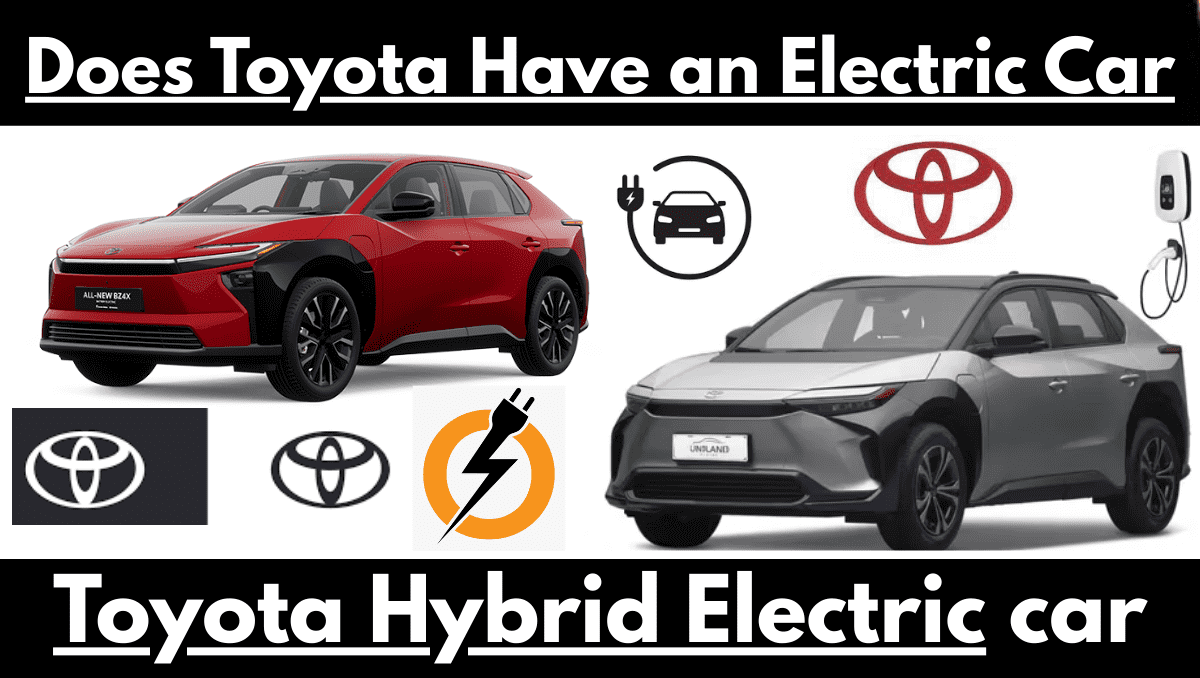
Toyota is revolutionizing the automotive industry by expanding its lineup of BEVs (Battery Electric Vehicles). This shift represents a commitment to carbon neutrality while providing drivers with innovative, 100% electric power solutions.
The brand’s strategy focuses on delivering quiet performance and zero emissions across various global markets. By integrating advanced battery power, Toyota ensures that every journey remains efficient, sustainable, and remarkably smooth for owners.
Table of Contents
Does Toyota Have an Electric Car?

Quick Answer (For People in a Hurry)
Toyota is famously known for its pioneering hybrid technology, but the brand has officially entered the 100% electric market. While they continue to champion Hybrid technology, Toyota now offers several BEVs (Battery Electric Vehicles).
The transition toward sustainable driving is a core part of Toyota’s strategy for carbon neutrality. By expanding their lineup beyond the traditional gasoline engine, they aim to provide diverse options for every driver globally.
Key Takeaways (Fast Facts Summary)Key Takeaways (Fast Facts Summary)
Toyota has officially launched its 100% electric lineup, spearheaded by the bZ4X SUV. While they remain leaders in Hybrid technology, their focus is shifting toward BEVs (Battery Electric Vehicles) to achieve global carbon neutrality goals.
Drivers can expect quiet performance and zero emissions from the current fleet. With options like the Lexus RZ and upcoming bZ3, Toyota is rapidly expanding its battery power footprint to compete with Tesla and Hyundai.
Also Visit toyota electric Car

Plug-In Hybrid Options (Not Fully Electric but Close)
Plug-in Hybrid (PHEV) vehicles offer a perfect middle ground for drivers not ready for 100% electric life. They combine a gasoline engine with battery power, ensuring sustainable driving without the fear of range anxiety.
These models utilize advanced hybrid technology to provide impressive fuel savings and lower maintenance costs. By using a home charging unit, you can enjoy zero emissions during your daily commute while maintaining long-distance travel flexibility.
Luxury Electric Options
Luxury electric options like the Lexus RZ and UX 300e provide a premium experience without sacrificing carbon neutrality goals. These vehicles feature sophisticated all-wheel drive (AWD) and impressive driving range for elite comfort.
The UX 300e utilizes advanced lithium batteries to deliver quiet performance through city streets. High-end battery capacity ensures you travel with zero emissions, while the upscale interior offers the finest sustainable driving environment available today.
Also Read Is Lexus Toyota Cars or a Separate Brand? Shocking Reality Explained
Step-by-Step Guide — How to Choose the Right Toyota Electric Vehicle
Decide Between Fully Electric vs Plug-In Hybrid
Toyota remains a leader among global automotive brands, known for reliability and long-lasting performance. The brand has expanded its global production facilities and assembly plants to increase the vehicle units and engines produced today.
Localized manufacturing at North American production sites ensures a steady supply chain and inventory. These manufacturing plants support U.S. manufacturing jobs while focusing on high build quality, strict production standards, and legendary craftsmanship.

Check Your Daily Driving Range Needs
Understanding your routine is essential when evaluating different hybrid systems and electric units. Most drivers cover under 40 miles daily, making modern vehicle assembly and high-efficiency batteries perfect for localized manufacturing and daily commuting.
If you frequently take long trips, gas-powered engines and full-size trucks offer better flexibility. However, for urban use, redesigned electric models provide incredible output and reliability, ensuring excellent build quality across all available trims.
Compare Costs, Incentives, and Maintenance
Toyota stands out among automotive brands for its relentless commitment to innovation and long-lasting performance. By focusing on build quality, they are transforming how drivers perceive electric vehicle units and modern hybrid systems today.
Their global production facilities ensure that every redesigned model meets strict production standards for efficiency. From engines to transmissions, the engineering origins of these vehicles reflect a deep dedication to craftsmanship and localized manufacturing excellence.
Test Drive and Review Real-World Performance
During a test drive, the vehicle assembly reveals a quiet cabin that highlights Toyota’s engineering origins. The smooth acceleration of their latest hybrid systems provides a refined experience across diverse North American production landscapes.
Drivers often praise the build quality and craftsmanship found in redesigned models during real-world reviews. These vehicles maintain high production standards, ensuring that every trip reflects the durability and reliability typical of the brand.
Benefits of Buying a Toyota Electric Car
- The primary benefit of choosing Toyota electric vehicle units is their renowned reliability and long-lasting performance. These redesigned models utilize advanced hybrid systems and electric motors that ensure exceptional durability across various driving conditions.
- By maintaining high production standards, Toyota ensures that every car leaving their manufacturing plants is built for craftsmanship. This dedication to quality results in fewer mechanical failures, providing peace of mind for those prioritizing automotive excellence.
Potential Downsides to Consider
Also Read Where Are Toyota Cars Made? Shocking Global Factory Locations You Didn’t Know About
Final Summary — Should You Buy a Toyota Electric Car?
Who Should Choose a Toyota EV
Eco-conscious drivers seeking efficiency should prioritize these models over traditional gas-powered options. With a robust supply chain, Toyota offers diverse trims that rival full-size trucks in utility while maximizing total power output.
Those supporting U.S. manufacturing jobs will appreciate the focus on North American production and localized manufacturing. Check your dealership inventory for American-built units that benefit from streamlined logistics and faster shipping times.
Who Might Prefer Hybrid Instead
Drivers prioritising versatility may find that hybrid systems offer a superior balance compared to pure electric alternatives. These vehicles integrate traditional engines and transmissions to provide seamless power without requiring immediate charging infrastructure.
High-mileage commuters often prefer the redesigned efficiency of a hybrid when navigating areas with limited charging. Because manufacturing plants produce these vehicle units in high volume, inventory remains stable across most automotive headquarters.
Final Recommendation Based on Driving Needs
Choosing the right vehicle depends on your daily habits, whether you prioritize high efficiency or raw power. Their hybrid systems remain a top choice, supported by a robust supply chain that maintains consistent inventory.
For drivers seeking maximum efficiency, the latest redesigned models offer optimized power output for modern roads. You should check your local dealership inventory to explore various trims that best fit your specific personal lifestyle.
Does Toyota make a 100% electric vehicle?
Yes, Toyota make a 100% electric vehicle (BEVs).
Which Toyota car is fully electric?
Yes, Toyota has a car that is fully electric, its name is the Toyota BZ4X.
How reliable are Toyota electric cars?
Yes, Toyota’s electric cars are reliable and durable because they are specially and well-built.
How long does a Toyota EV battery last?
Toyota EV battery last up to 100,000 miles
How much does a Toyota electric car cost?
Toyota electric car starting price is at $38,455 MSRP.